Woman Shares 5 Money Habits She Dropped to Avoid Going Broke

Money habits of people who never go broke often start with cut choices. A woman recently shared five daily habits she stopped after seeing why her bank account stayed empty. Financial experts weighed in on her story, showing how small daily swaps keep cash in your pocket when living on a regular salary.
Stopping small bad spending habits helps you keep more money every month. You do not need a higher salary to stay out of debt, you just need clear rules for your extra cash. Dropping five simple habits gives your bank account breathing room right away.
Why Small Daily Habits Keep People Broke
Many workers struggle to save cash even when they make a decent check. News reported this week that a woman took a close look at her cash flow after asking why she was always broke. She found five main habits that drained her funds every week. Money experts looked at her list and agreed those choices hurt regular budgets the most.
It is easy to miss where your money goes. A five dollar coffee here and a twenty dollar ride there do not look big on their own. By the end of thirty days, those small buys add up to hundreds of dollars. That is money that could protect you from unexpected bills.
Experts say people who never go broke pay attention to these small leaks. They build simple barriers around their wallets. When you stop buying things out of habit, you gain control over your monthly paycheck.
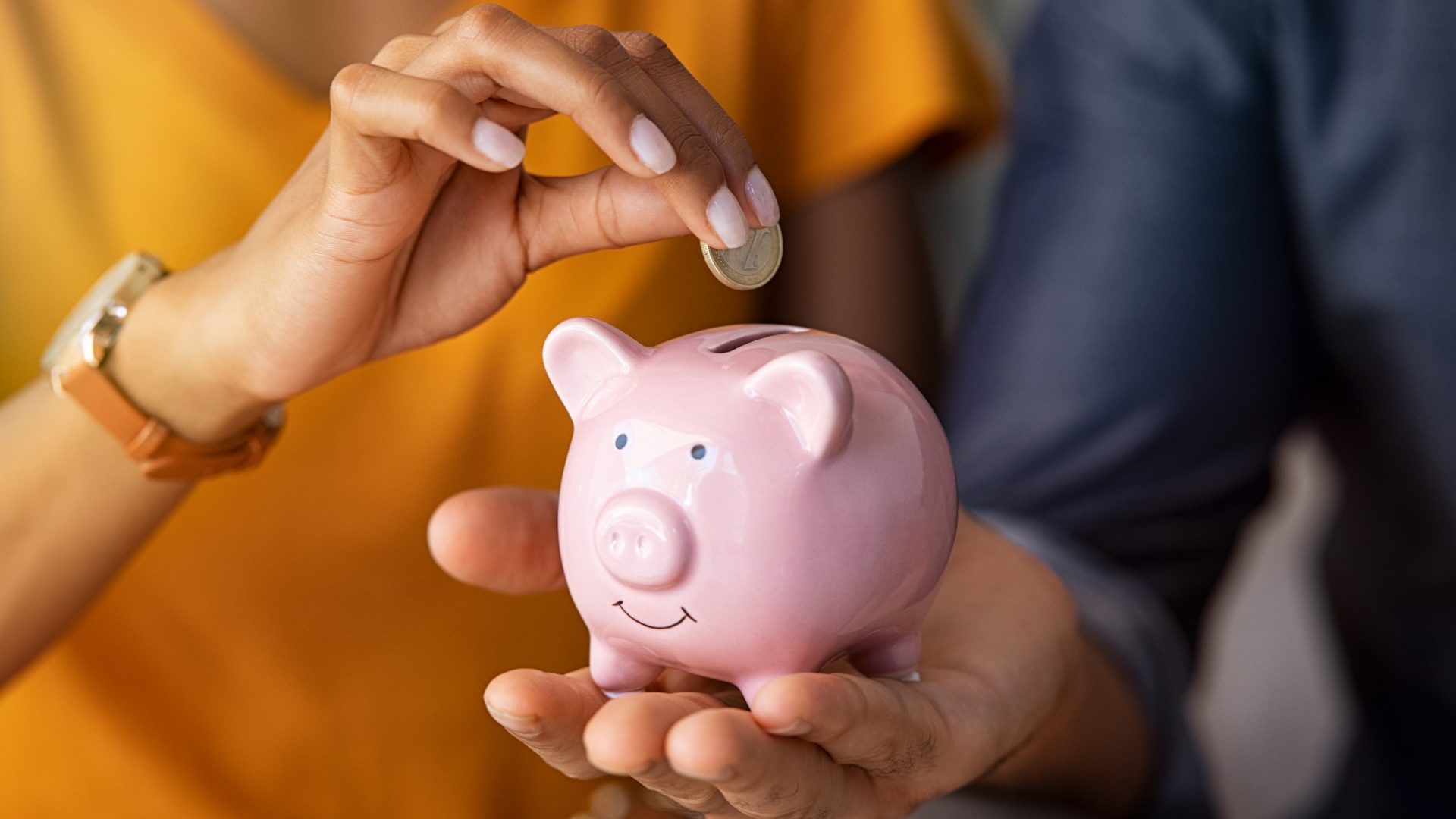
Five Habits to Drop Right Now
The woman shared five things she cut out of her life completely. Financial pros say her list hits the main reasons people run out of cash before payday.
- Buying convenience food every day: Ordering lunch at work costs three times more than packing a simple meal from home.
- Paying for unused monthly tools: Apps, gym passes, and streaming channels take money automatically even when you forget you have them.
- Shopping to feel better: Buying items just because you had a hard day at work wastes cash on things you do not need.
- Upgrading tech too soon: Getting a new phone every year keeps a heavy payment on your tab for no real reason.
- Ignoring small account fees: Out-of-network cash machines and late charges slowly eat your balance away.
Dropping these five actions keeps your hard-earned money inside your account. It stops your salary from slipping away on things you forget about an hour later.
How Money Habits Keep You Safe from Debt
People who keep their accounts full do not rely on luck. They set up simple guardrails for every dollar that comes in on payday. When you stop bad spending habits early, you avoid relying on credit cards when prices rise.
Building strong spending rules gives you a cushion for hard times. Check out these New Ratings Show Best Budgeting Apps to Track Your Money in 2026 to see tools that help track these daily habits automatically. Tracking your choices helps you see bad spending before it drains your check.
When you keep your fixed costs low, a sudden car repair does not break your wallet. You can pay with your own cash instead of borrowing money with high interest rates. That peace of mind is worth far more than any fast purchase.
What Are the Habits of People Who Never Go Broke?
People who keep cash in the bank share a few basic rules. They treat saving money like a normal monthly bill that gets paid first. They do not wait to see what is left at the end of the month because usually nothing is left.
They also delay their purchases. When they see something nice in a store, they wait three days before buying it. Most of the time, the urge to buy goes away after a good night of sleep. That single rule stops hundreds of bad purchases every year.
Another strong habit is keeping a clear personal Budget every single month. They know their exact numbers for food, rent, and lights before the month starts. They do not guess how much money they have left to spend.
Lastly, they stay away from lifestyle creep. When they get a pay raise at work, they do not move to a more expensive apartment right away. They put the extra money straight into savings and keep living on their old budget.
Simple Steps to Fix Your Wallet Today
You can change your money story starting with your next paycheck. You do not need to alter everything at once, just pick one bad habit to drop this week.
First, print your last bank statement. Take a red pen and circle every buy that was not truly needed for your basic living. Seeing the real numbers on paper hits different than looking at a quick screen.
Second, pick one subscription service to cancel today. Put that saved cash directly into an account you do not touch. Even twenty dollars a month starts building a solid wall between you and debt.
Third, set a clear cap on your fun spending. Give yourself cash in hand for extra wants during the week. When those bills are gone from your physical wallet, your extra spending stops until next payday.
Which small habit will you drop first to keep your bank balance safe this month?
Smart Ways to Handle Your Weekly Food Cash
Food costs take a big piece of your paycheck if you do not watch your daily trips to the store. Going to the food market without a simple paper list leads to fast buys that spoil in your fridge.
Cooking large meals on Sunday helps you avoid late night food delivery orders during busy work nights.
- Cook extra dinner portions: Pack the extra food into containers for easy work lunches all week.
- Buy basic store brands: Generic items taste the same as big names but cost much less cash.
- Eat before you shop: Walking into a food store on an empty stomach makes you buy expensive snacks.
Set Up Auto Savings for Every Payday
Moving money to your emergency fund by hand takes hard work every two weeks. Setting up auto transfers sends a small part of your check into a safe account before you can spend it.
Watching that untouched balance grow week after week gives you real strength to drop remaining bad spending habits for good.


Comments
Post a Comment