New Ratings Show Best Budgeting Apps to Track Your Money in 2026

Budgeting apps are getting a major fresh look in 2026 as testers rank the top tools to help you track your monthly spending. A new test of modern finance software shows which phone tools actually help regular workers keep more of their paycheck. If you want to stop guessing where your cash goes each week, using the right digital tracker makes a clear difference.
The latest rankings highlight simple software that connects to your bank accounts and sorts your bills automatically. The main goal of these tools is to give you a clear picture of your income without hours of manual math. Instead of typing every coffee into a paper notebook, these top apps do the heavy lifting for you on your phone.
Why New App Rankings Matter for Your Monthly Salary
Managing money on a fixed paycheck gets hard when prices stay high. Recent news reviews tested dozens of phone tools to see which ones stand out this year. The findings show that simple layouts beat complex spreadsheets every single time for everyday users.
Many workers struggle because their money slips away in small, hidden amounts. A 5 dollar snack here and a 10 dollar app subscription there add up before you even notice. The newest app test proves that automated alerts help catch those small spending leaks early.
When you see your spending in real time, you make better choices at the store. The test results show that people who check a money app three times a week save more cash than those who wait for their monthly bank statement. Knowing your exact numbers keeps you from overdrawing your account before payday arrives.
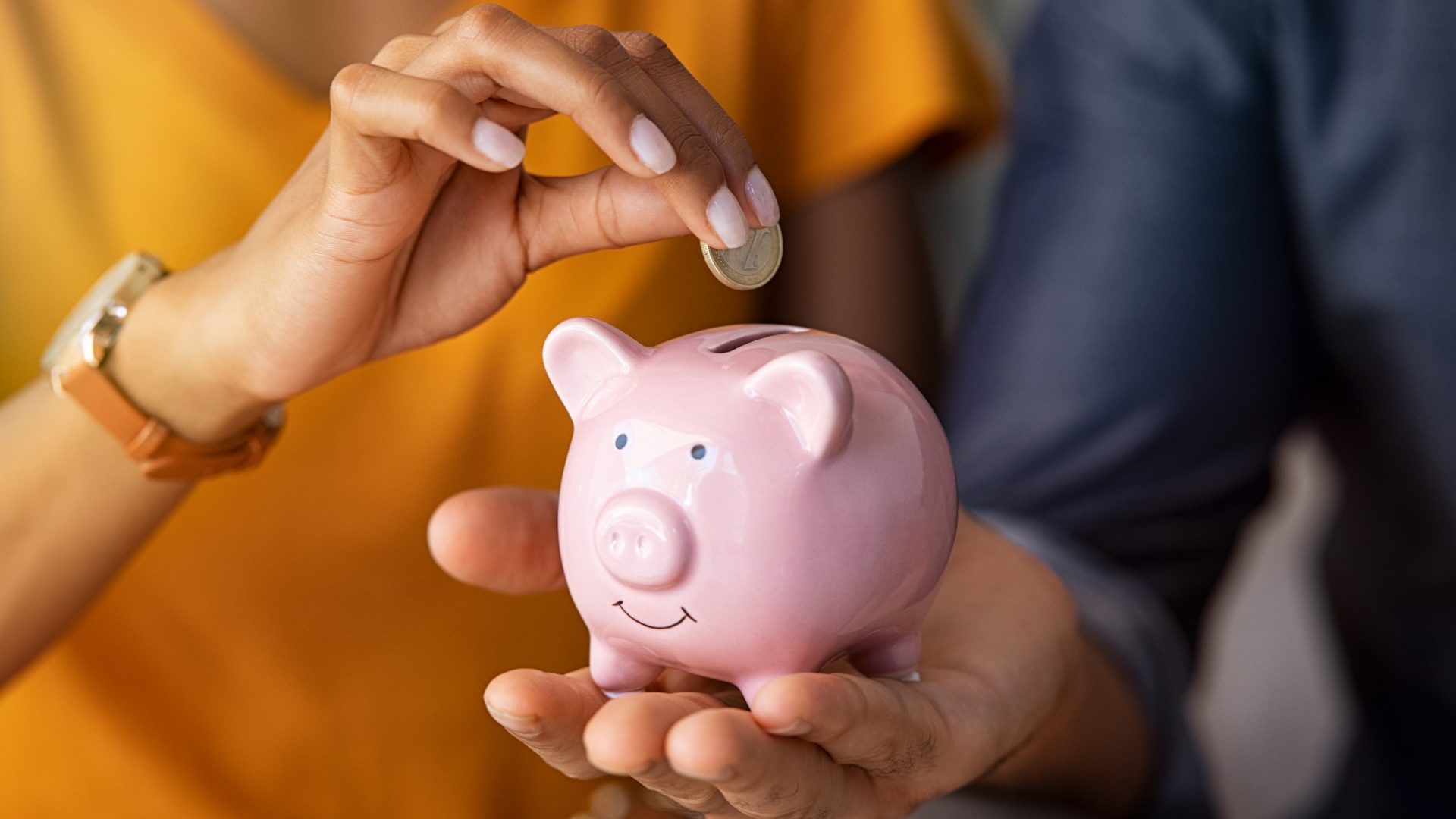
How Automatic Expense Tracking Helps You Stop Overspending
Automatic tracking is the main feature that separates the top ranked apps from the rest. The software links safely to your checking account and tags every buy as food, fuel, or fun. This gives you a live look at your balance without any extra work on your part.
Think about a typical week where you spend 150 dollars on groceries and 40 dollars on gas. Old methods required you to save paper receipts and write those numbers down at night. The newest app systems catch those purchases the second your credit card swipes at the register.
Seeing your totals add up mid-month creates an instant reality check. If your dining budget is 200 dollars and you hit 180 by the second week, the app alerts you to slow down. That simple push notification can keep your savings plan on track without any stress.
It is easy to see how small daily habits change your total bank account over time. You can read more about how Daily Spending Choices Keep Broke People Short on Cash to spot the leaks in your own routine.
How to Choose Between Free and Paid Budgeting Tools
The 2026 tests reveal a big split between free software and apps that charge a monthly subscription fee. Free options work great for simple tracking, but they often show ads or try to sell you credit cards. Paid apps cost between 5 and 15 dollars a month, but they offer deeper tools and complete privacy.
How do you pick the right match for your wallet? Look at your main goal before you pay any software fee.
- Choose a free app if you just want to see your total balance and basic spending categories.
- Pick a paid app if you need custom savings goals, shared accounts for couples, or zero ad distractions.
- Test the free trial first so you do not waste money on software you will not use.
Paying 10 dollars a month for a money app only makes sense if it saves you at least 20 dollars in bad spending. If you pay for a service and never open it, that app just becomes another wasted bill. Start with a basic version first to see if digital tracking fits your daily life.
What Is the Best Way to Start Using a Budget App Today?
Starting a new routine takes just a few plain steps. First, download one top rated app from your phone store and set up a secure password. Next, connect your main checking account and your main credit card to import your recent transactions.
After your accounts link up, pick three main spending categories to watch closely this month. Food, entertainment, and shop visits are the three areas where most people spend too much. Give yourself a realistic limit for each area based on what you earned last month.
Set a quick alarm on your phone to check the app every Tuesday and Friday morning. A simple 60-second check helps you adjust your habits before the weekend comes. Staying connected to your real numbers removes the fear of checking your bank account balance.
Building a basic safety net for unexpected bills is much easier when you use smart tools. Learning the basics of a simple Budget helps you allocate extra cash to your savings goals every time you get paid.
Keeping Your Personal Bank Data Safe on Your Phone
Safety is a common worry when you connect bank accounts to a third party phone app. The latest 2026 safety tests show that top apps use the same heavy security systems as national banks. They read your balance data, but they cannot move your cash or withdraw funds from your account.
Look for apps that offer two-factor sign-in features for extra safety. This means the app sends a short code to your phone number every time you log in from a new device. It takes three extra seconds to type, but it keeps your private data secure from outside eyes.
Never log into your financial tools while connected to public coffee shop internet without protection. Use your regular phone line data instead to keep your information private. Taking simple steps protects your identity while you build better money habits on your device.
Are you ready to download a top rated app and take charge of your paycheck this week?


Comments
Post a Comment